The Advantages of High-Performance Windows Recommended by Phius
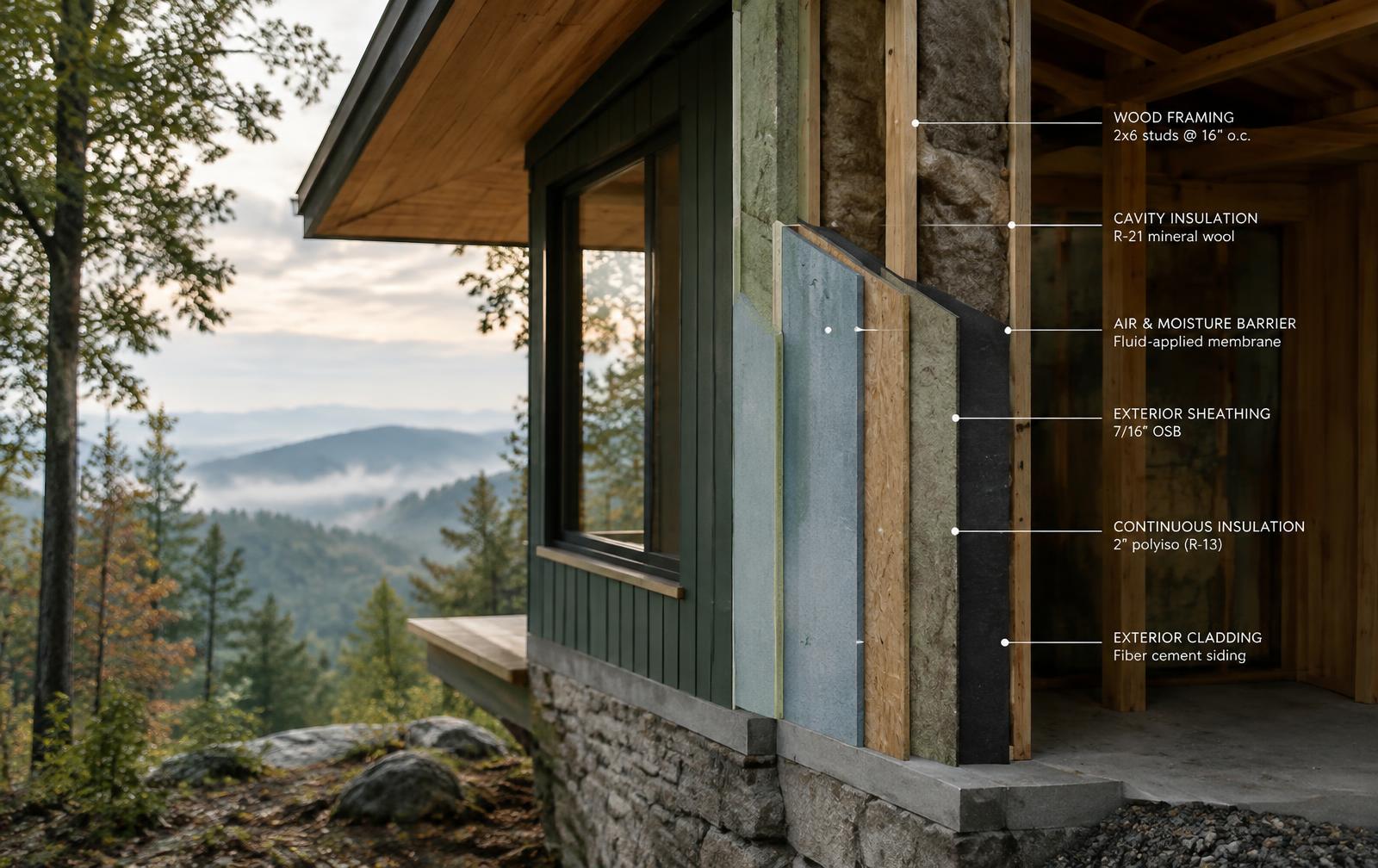
Windows are often one of the weakest thermal links in a building enclosure. High-performance windows address this with better insulated frames, advanced glazing, warm-edge spacers, improved air seals, and carefully selected solar heat gain characteristics.
Why Windows Matter in a High-Performance Home
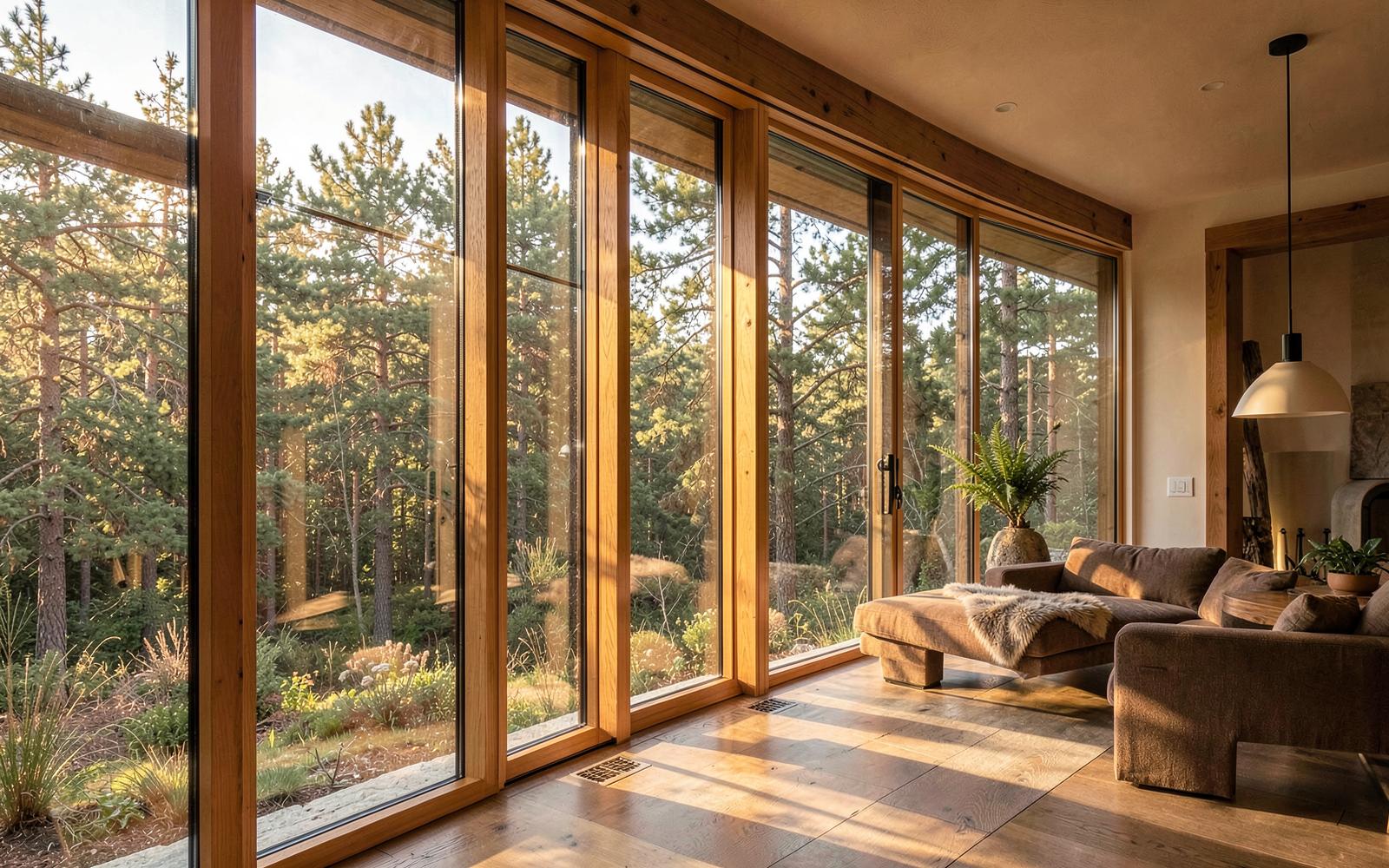
Windows are often one of the weakest thermal links in a building enclosure. Even a well-insulated wall can lose substantial heat through conventional glazing and frames, while solar gain through poorly selected windows can increase summer cooling loads. High-performance windows address these problems with better insulated frames, advanced glazing, warm-edge spacers, improved air seals, and carefully selected solar heat gain characteristics.
Phius takes a climate-specific approach rather than treating one window as ideal everywhere. Its Window and Door Certification Program provides verified component-level performance data for the glass, frame, and spacer, allowing designers to model a window at the actual size used in a project. This is especially useful because whole-window U-values at a standard test size do not necessarily scale directly to larger or smaller units.
1. Lower Heating and Cooling Loads
A low U-factor means less heat moves through the window assembly. Triple-pane insulated glass, low-emissivity coatings, insulated frames, and thermally improved spacers can dramatically reduce heat loss compared with basic windows. Lower envelope loads can also help reduce the size and operating time of heating and cooling equipment.
2. Improved Interior Comfort
High-performance glazing keeps interior glass surfaces closer to room temperature. In winter, that reduces the cold-window effect and the radiant discomfort occupants can feel while sitting near conventional glazing. Better surface temperatures also reduce cold downdrafts and make perimeter spaces more usable.
3. Better Condensation Resistance
Warmer interior glass and frame temperatures reduce the likelihood of condensation during cold weather. That can help protect wood trim, drywall, finishes, and window openings from repeated moisture exposure. Good installation and indoor humidity control remain essential, but better window thermal performance provides an important first line of defense.
4. Airtightness and Draft Control
High-performance windows typically emphasize robust seals, gaskets, and locking systems. Casement, awning, and tilt-turn units can be especially effective because the sash compresses against the weather seals when closed. The window still must be connected carefully to the building's air-control layer; even an excellent window can underperform if the rough opening is poorly detailed.
5. Climate-Specific Solar Control
Solar heat gain coefficient (SHGC) is just as important as U-factor. In a mixed-humid climate such as western North Carolina, designers must balance useful winter solar gain against summer overheating. Orientation, glazing area, exterior shading, overhangs, and the SHGC selected for each exposure should be considered together rather than choosing one glazing package for every side of the house.
6. Greater Resilience and Long-Term Value
A home with lower peak heating and cooling demand can maintain comfortable conditions longer during equipment failures or power interruptions. High-performance windows can also improve acoustic comfort and support a quieter interior. While premium windows cost more initially, their benefits extend beyond utility savings to comfort, moisture control, equipment sizing, and overall enclosure performance.
What to Look for When Selecting Windows
For a high-performance project, start with the Phius Certified Product Database and compare products using whole-window and component-level performance rather than relying on glass-only R-values. Look for a low whole-window U-factor, appropriate SHGC for the orientation and climate, triple glazing where justified by the energy model, warm-edge spacers, insulated frames, durable air seals, and installation details that align the window with the wall's thermal, water, and air-control layers. Phius-certified products are not required for a Phius-certified building, but their verified data can simplify modeling and project review.
Three Product Lines Worth Evaluating
Innotech 88PH+ XI — A Phius-certified operable, triple-pane vinyl window with published whole-window U-values around 0.11–0.12 Btu/hr·ft²·°F for listed configurations. It is recommended by its Phius certification for several climate zones, including 4A and 5A.
KF Window Technology Passive+ — A Phius-certified triple-pane operable vinyl option with published whole-window U-values in listed configurations around 0.13–0.14 Btu/hr·ft²·°F. Its certifications include recommendations for Climate Zone 4A, making it worth comparing for mixed-humid projects. Pella Support Products Direct Set — For projects that need a more conventional U.S. manufacturer and fixed glazing, this Phius-certified aluminum-clad wood direct-set product uses triple-pane argon glazing and is listed for Climate Zone 4A among other zones.
The Bottom Line
High-performance windows should be treated as part of the building enclosure system, not simply as decorative openings. The best selection depends on climate, orientation, window size, shading, wall design, and the project's energy targets. Phius' climate-specific certification data gives designers and builders a stronger basis for comparing products and optimizing performance. When the window, installation, and building enclosure are designed together, the result can be a home that is more comfortable, efficient, durable, quiet, and resilient.
Note: Window performance should be verified for the exact product, size, glazing package, climate zone, and installation condition used on a project. A project energy model or qualified high-performance building professional can help optimize final selections.