How Roof Overhangs Keep High-Performance Homes Cooler and More Comfortable
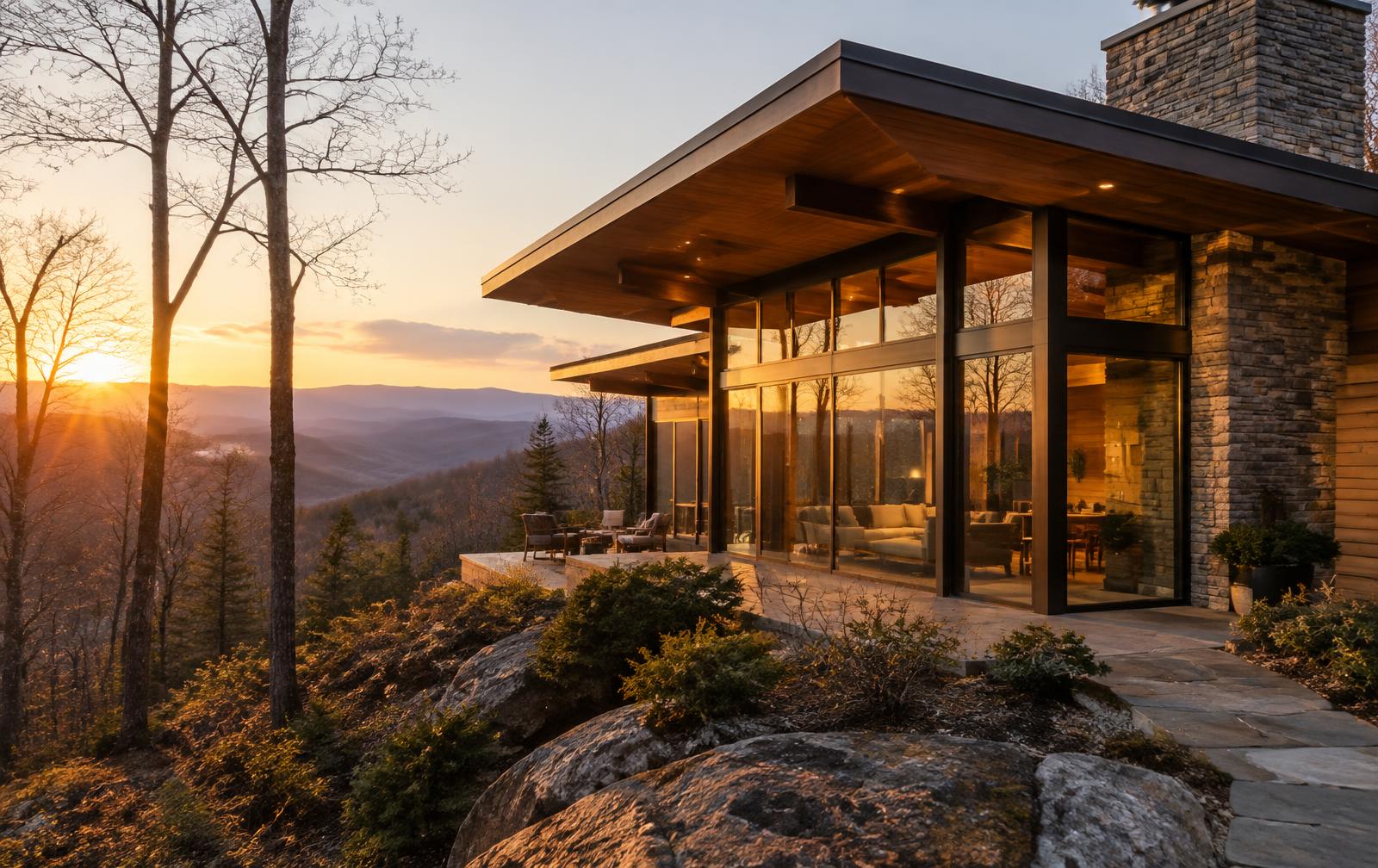
Large windows, natural light, and views are some of the most desirable features in a new home. But without thoughtful solar design, those same windows can allow unwanted summer heat into the house, creating overheated rooms and increasing the demand on the cooling system. One of the simplest architectural strategies for controlling that heat is also one of the most effective: properly designed exterior shading. Roof overhangs, porches, awnings, and other exterior shading elements can work with the home's orientation and windows to improve comfort while preserving daylight and views.
Stopping Heat Before It Reaches the Glass
Exterior shading is especially valuable because it intercepts direct sunlight before that solar energy passes through the window. Interior blinds and curtains are useful for glare and privacy, but by the time sunlight has passed through the glass, much of its heat has already entered the home.
A well-designed overhang can shade windows during periods when unwanted solar gain is greatest. Depending on the orientation and design, it may also allow lower-angle sunlight to reach the interior during cooler parts of the year.
More Comfortable Rooms
One of the most noticeable homeowner benefits is improved comfort. Large expanses of unshaded glass can create rooms that become significantly warmer on sunny afternoons, even when the air-conditioning system is operating.
By reducing direct solar gain, exterior shading can help create more stable interior temperatures, reduce hot spots near windows, and make rooms with large areas of glass more pleasant throughout the day.
Lower Cooling Demand
Keeping unwanted heat outside also reduces the amount of work required from the home's cooling system. In a high-performance home, this is important because the building enclosure, windows, shading, and mechanical systems should be designed to work together.
Reducing cooling loads can contribute to lower energy consumption and can help the designer select appropriately sized high-efficiency heating and cooling equipment rather than relying on oversized equipment to compensate for excessive solar heat gain.
Large Windows Without the Performance Penalty
High-performance design does not mean eliminating large windows. It means being intentional about where they are placed and how they are protected.
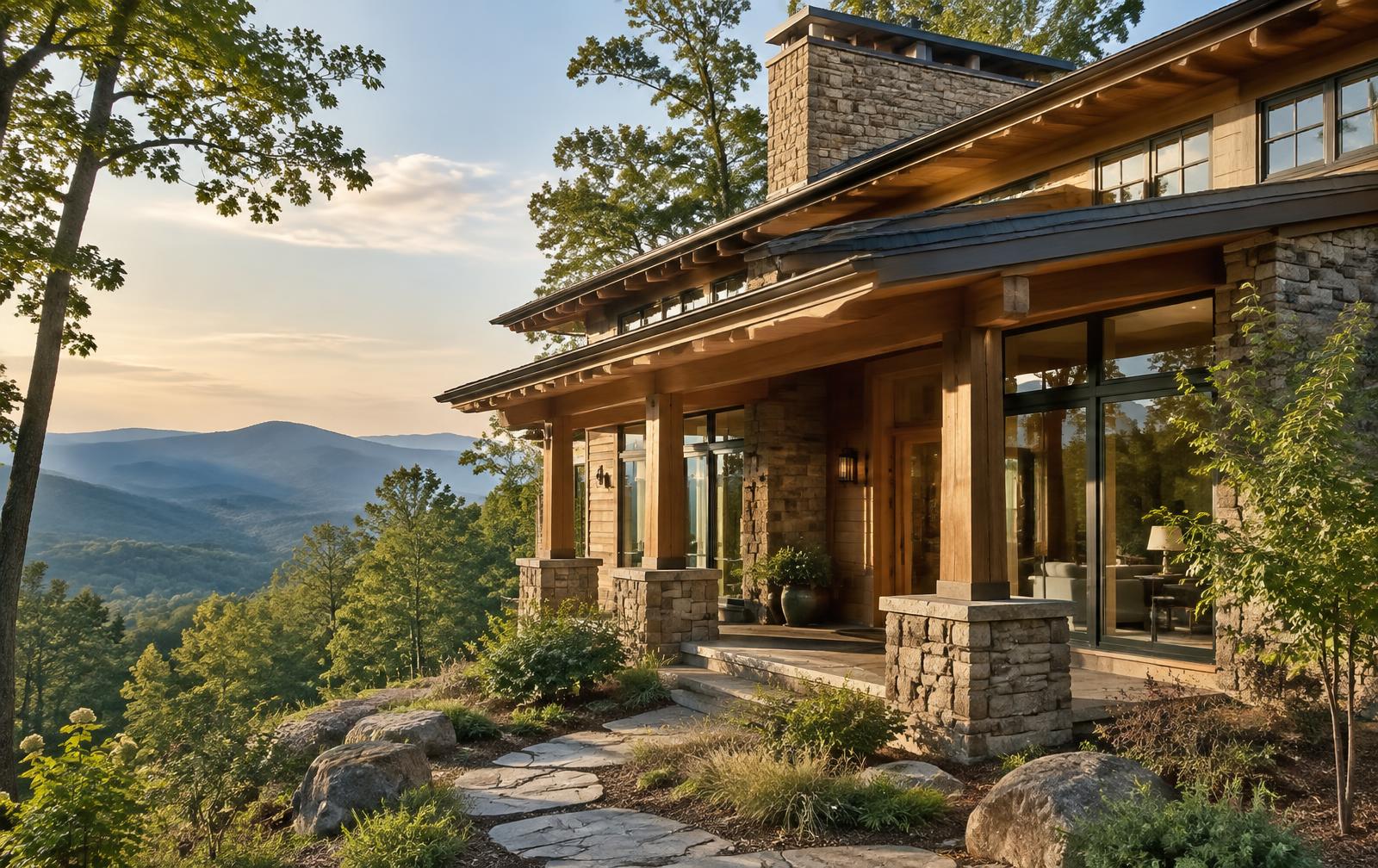
This is especially relevant for homes in Western North Carolina, where homeowners may want generous glazing toward mountain, forest, or water views. Orientation, window size, glazing performance, and exterior shading can be coordinated so those views remain a central part of the architecture without unnecessarily compromising comfort or energy performance.
Orientation + Window Size + Shading
Shading works best when it is considered as part of a larger design strategy. The direction a window faces, its size, the performance of the glass, and the depth and position of an overhang all influence how much solar energy enters the home.
That is why these decisions are most effective when they are made during the design process rather than treated as corrections after construction. Thoughtful solar design can produce a home that feels naturally comfortable while making better use of daylight and reducing unnecessary mechanical loads.
Designing for the Homeowner
At Arbor Stone Homes, high-performance design is about more than achieving a particular energy target. The goal is to translate building-science principles into benefits homeowners experience every day: comfortable rooms, beautiful natural light, lower operating costs, and a stronger connection between the home and its site.
Properly designed roof overhangs are a good example of how architecture itself can contribute to performance. Instead of asking the mechanical system to solve every comfort problem, the building can be designed from the beginning to respond intelligently to the sun.
The building itself can be designed to respond intelligently to the sun — no mechanical system required.