How Moisture Smart Walls Help Protect Your Home
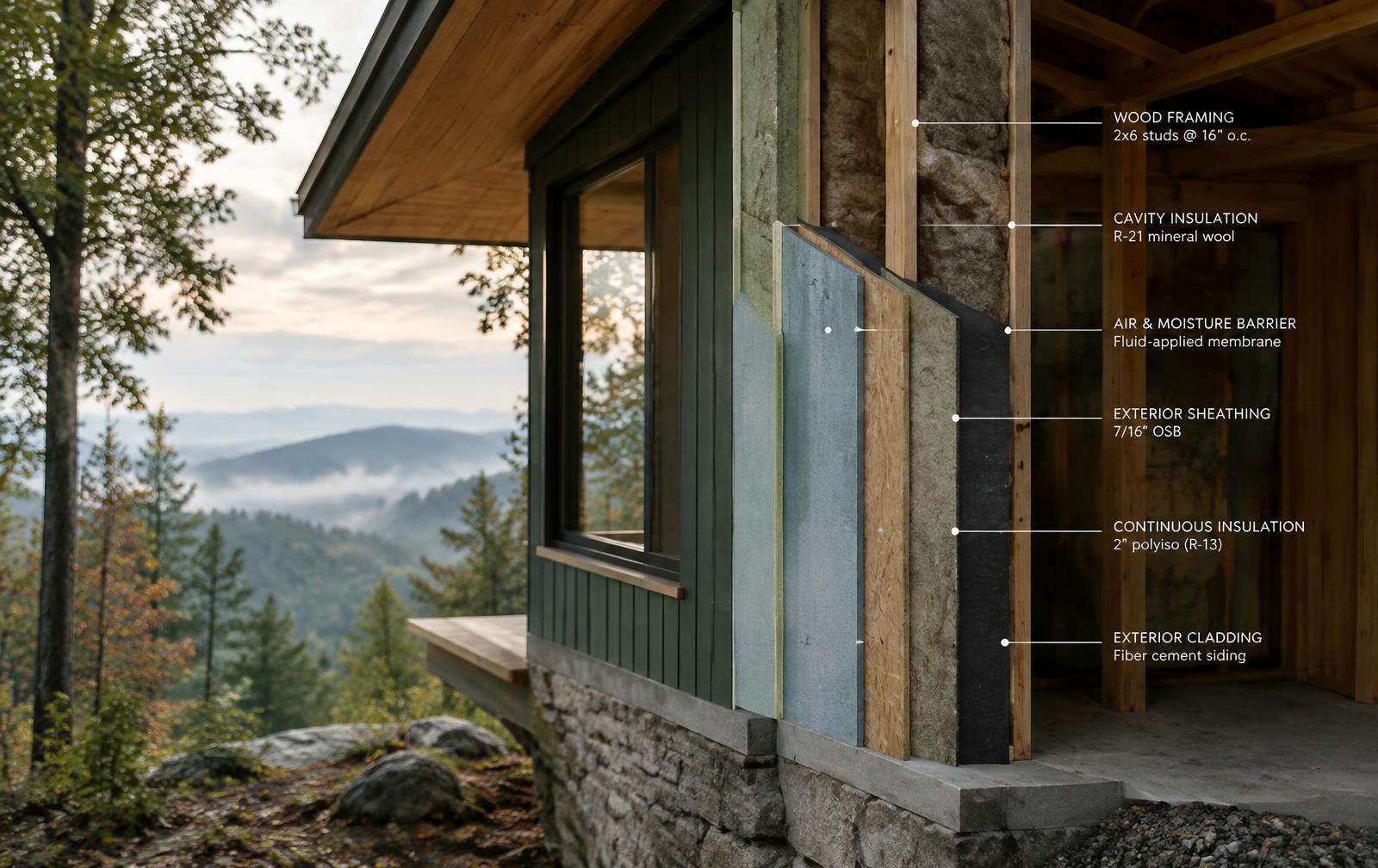
A comfortable home needs walls that manage rain, limit unwanted air movement, and allow incidental moisture to dry. Planning those functions together helps protect the materials behind the finishes and supports reliable performance over time. In our last article, we explored how airtight construction and fresh air ventilation work together. The next question is what happens inside the walls themselves. A wall can be airtight and still allow water vapor to pass through selected materials. Understanding that distinction helps explain why a durable home needs more than a thick layer of insulation.
Water takes more than one path
Rain can enter at poorly detailed windows, roof connections, and other openings. Moisture can also move with leaking air, travel through porous materials, or diffuse through building layers as water vapor. Each pathway needs its own response. A vapor control membrane cannot repair a flashing leak, and insulation alone cannot stop air leakage.
The first priority is to manage liquid water. Roof drainage, properly integrated flashing, a water resistant barrier, and a drainage space behind the cladding help direct rain away from vulnerable materials. Those details create the foundation for the rest of the moisture strategy.
Airtight and vapor open describe different things
An air barrier limits air moving through gaps and joints. A vapor retarder slows water vapor moving through a material. Some products can perform both jobs, but the functions are different. A layer that blocks air does not automatically block vapor, and a vapor retarder only serves as an air barrier when its seams, edges, and penetrations are sealed appropriately.
This is why saying a wall needs to breathe can be misleading. People need ventilation. Walls need water management and a drying strategy. We can provide fresh air through a designed ventilation system while carefully controlling how moisture moves through the enclosure.
Why drying potential matters
Construction materials may contain moisture when installed, and small amounts can enter an assembly during its life. A resilient design considers how that moisture can leave. The drying direction depends on the climate, seasonal conditions, and the vapor resistance of every layer, including sheathing, insulation, membranes, and interior finishes.
For a Western North Carolina home, that calls for looking at both heating and cooling conditions. A wall detail that performs well during cold weather also needs to account for humid weather and air conditioning. Adding a very low permeance layer without reviewing the full assembly can reduce a useful drying path.
What makes a vapor retarder smart
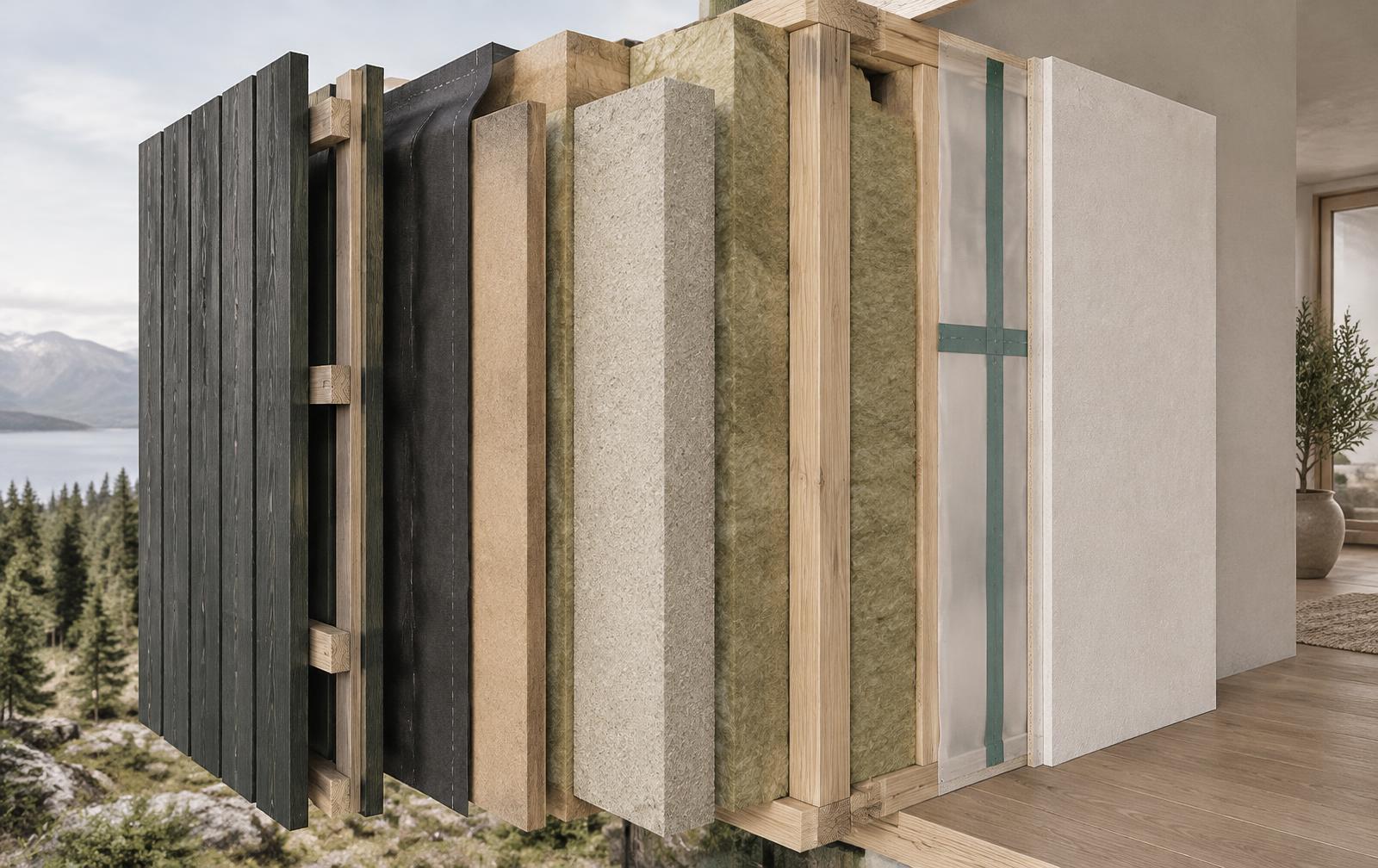
A humidity variable vapor retarder changes its resistance to vapor movement in response to the relative humidity around it. Under drier conditions, it offers greater resistance. At higher humidity, it becomes more vapor permeable, which can support drying when conditions provide a favorable vapor pressure difference.
INTELLO Plus is one example of this type of membrane. It can contribute to both vapor control and airtightness when specified and installed as a complete system. Its usefulness depends on the surrounding assembly and project conditions; it is not a universal requirement or a substitute for drainage, air sealing, or indoor humidity control.
Insulation and finishes belong in the same conversation
The insulation package changes temperatures within a wall, which influences where moisture may accumulate. Exterior insulation, framing, and cavity insulation therefore need to be considered together with the vapor control strategy. For an unusual assembly, a moisture analysis can help evaluate seasonal wetting and drying before construction begins.
Interior finishes also belong in that review. A membrane may allow inward drying, but the layers between it and the room can restrict that path. When considering Earthhaus lime plaster or American Clay clay plaster, we would review the complete finish system, including the substrate, primer, and any sealer. A natural material label alone does not establish the vapor performance of the finished wall.
What this means for daily comfort
Moisture control supports comfort by helping the enclosure stay dry and perform as designed. Indoor humidity still needs its own plan. Cooking, showers, occupants, and outdoor ventilation all affect the moisture inside a home. Proper exhaust, ventilation, and, where needed, dehumidification work alongside the wall assembly.
A smart membrane does not regulate room humidity or remove moisture from the building. Its role is within the enclosure. Keeping those responsibilities clear helps the design team select each component for the job it needs to do.
Plan the layers before the finishes
Before choosing a wall system, ask where the water drains, where the continuous air barrier runs, and how the assembly can dry. Ask how windows and service penetrations connect to those layers, and whether the proposed interior finish preserves the intended drying path. Clear answers are more useful than a collection of premium products selected separately.
At Arbor Stone Homes, our approach brings building science into the same conversation as natural materials, daylight, and the experience of home. Carefully coordinated wall layers help protect that investment and create a sound foundation for spaces that feel comfortable and connected to their surroundings.
Build thoughtfully. Live naturally.